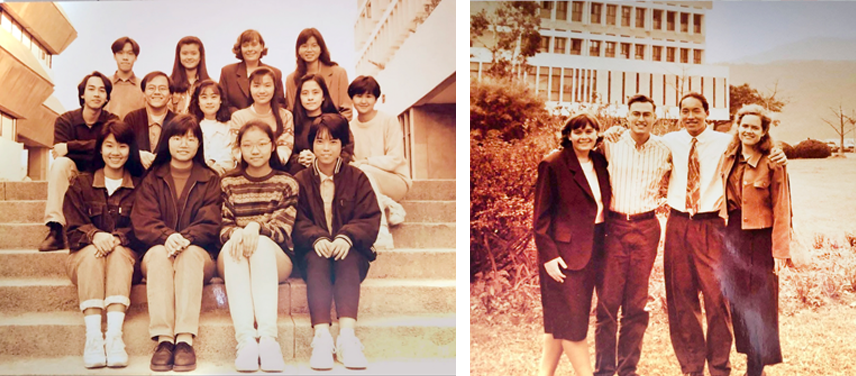
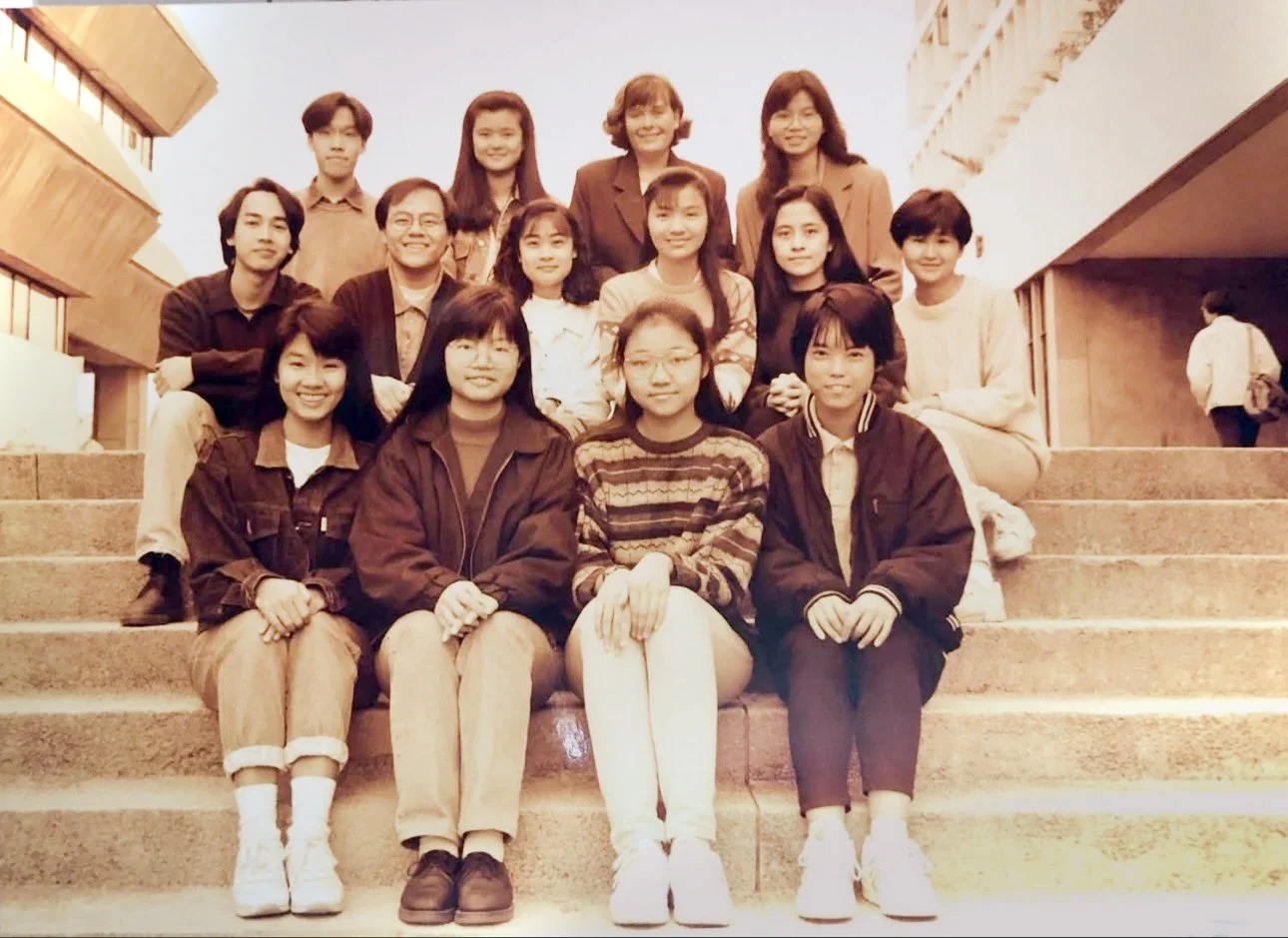
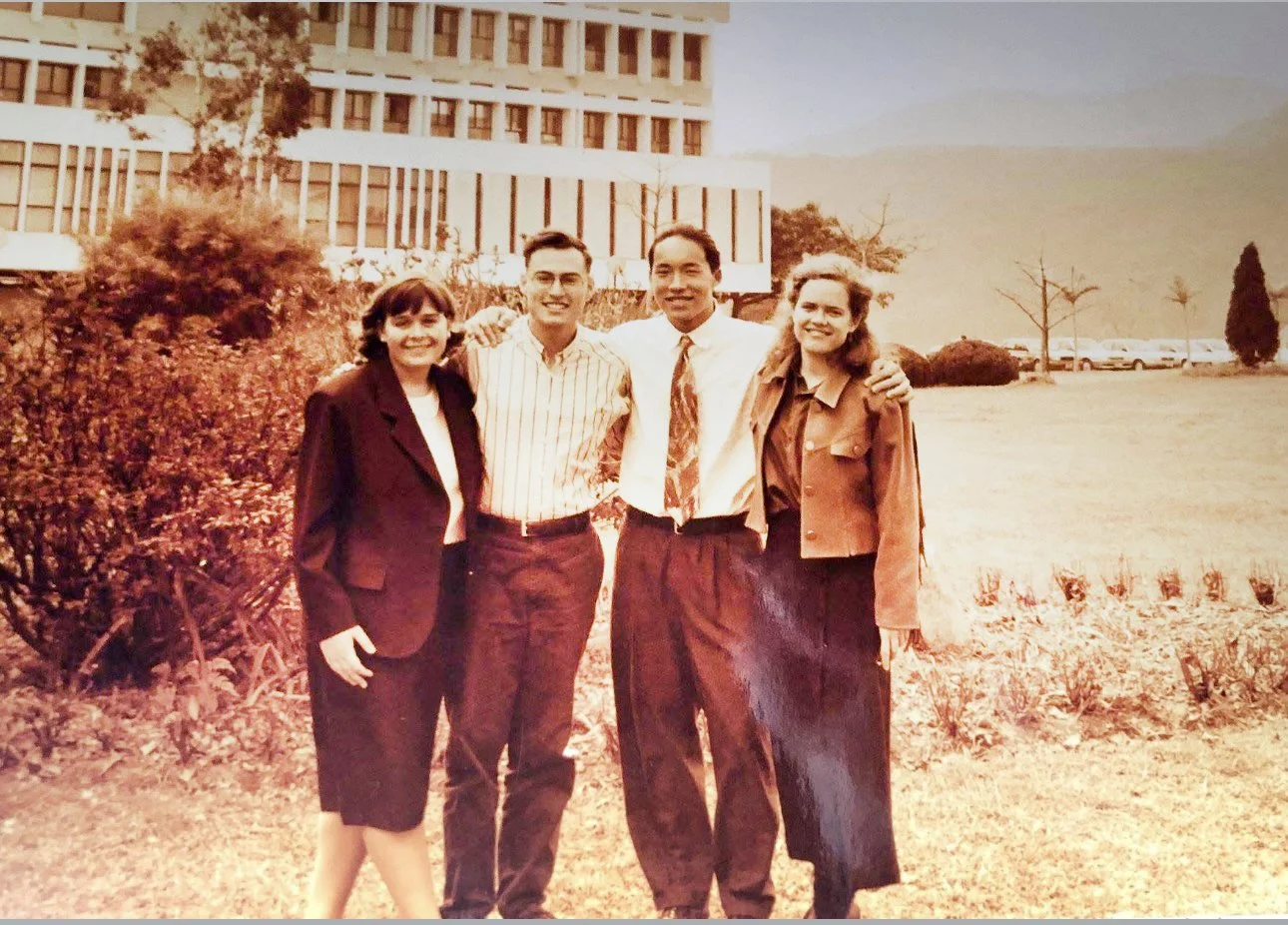
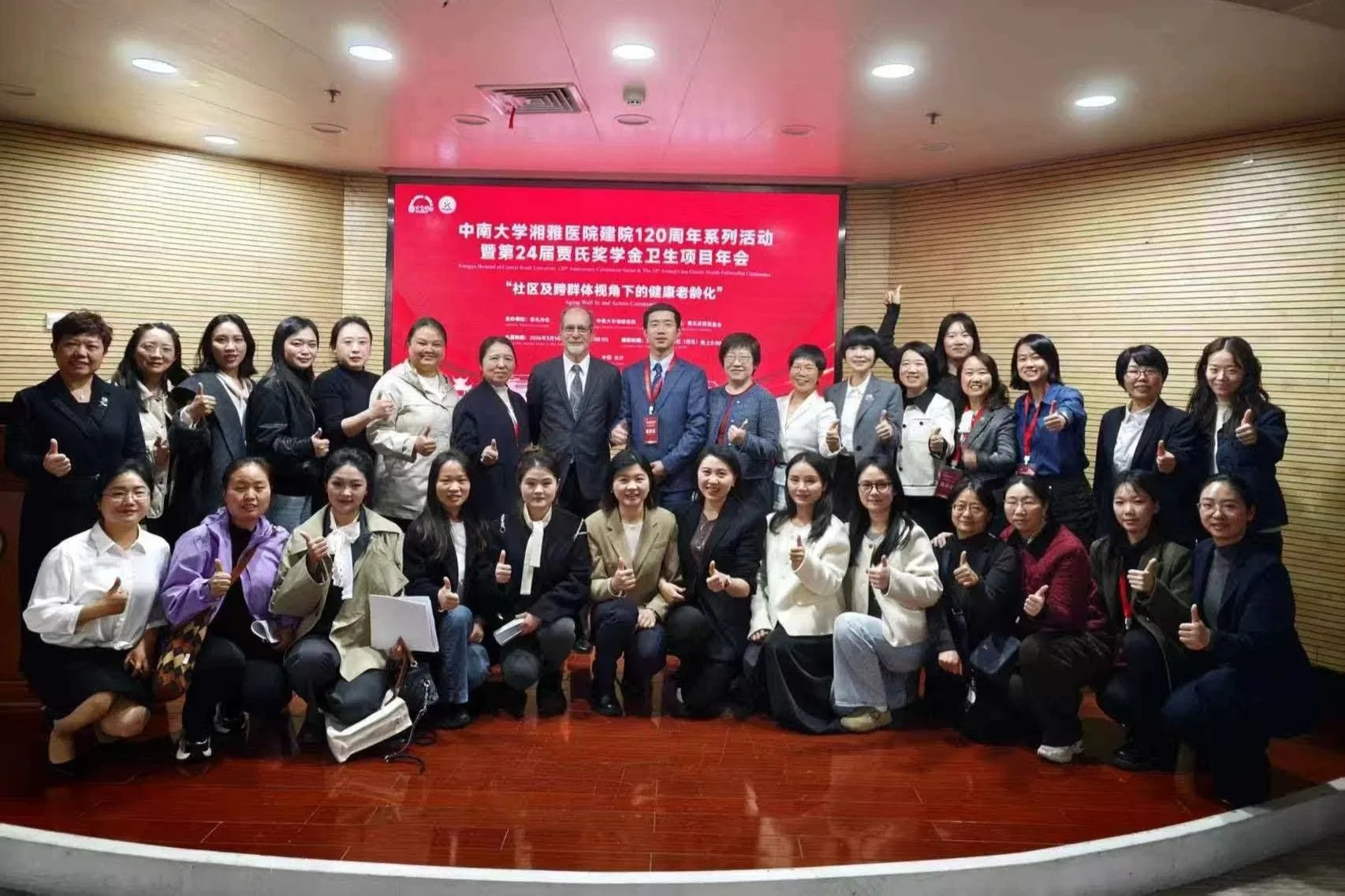
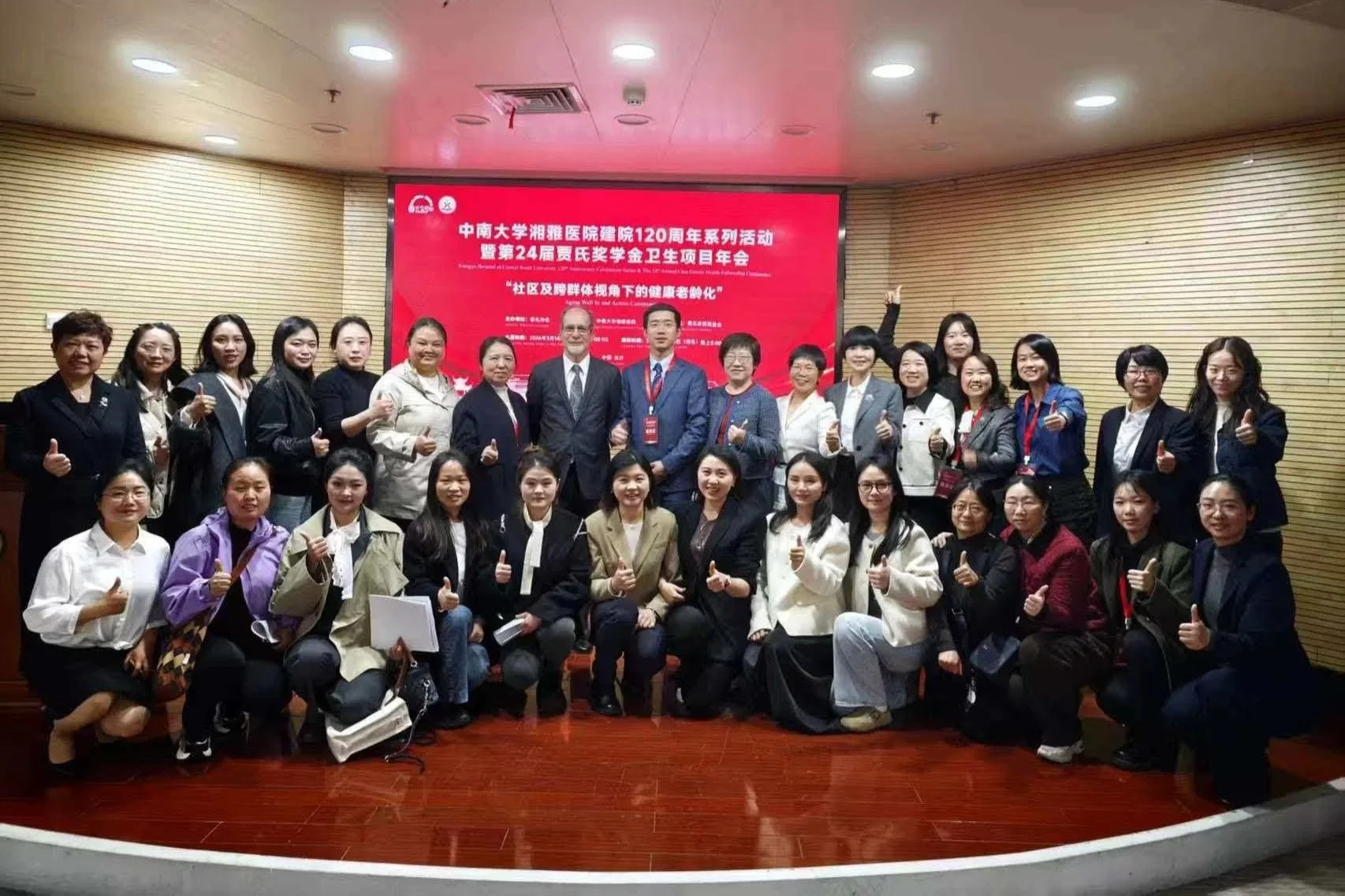
“For me, the two years I spent living and teaching at the Chinese University of Hong Kong (1991-1993) transformed my world view. I grew up in a suburb of Rochester, New York, and had only traveled overseas to Italy and England. As a white woman and native English speaker, I was accustomed to being in the majority and easily navigating the world. In Hong Kong I was exposed to an entirely new language, culture, and community. As I navigated the subway system and restaurants, I struggled to communicate. And in the New Territories, which had a much smaller international population than Hong Kong Island, I was a minority for the first time in my life. This experience was humbling and taught me to be curious and ask questions. I loved my students and my tenure launched me on a path as an educator. Upon my return to the United States, I enrolled in a Ph.D. program in American Studies and then had a 25-year-long career as a high school Social Studies teacher at Bullis School. I recently stepped away from full-time teaching but have returned to my ESL roots. I now volunteer with adult immigrants, teaching English and helping people prepare for the citizenship exam.Lastly, I used Hong Kong as a ‘home base’ to explore much of Southeast Asia. Over two years I traveled to Vietnam, Malaysia, Singapore, Taiwan, Thailand, the Philippines, and mainland China. I am forever grateful for this opportunity to see the world and experience new cultures first hand. My love of travel continued long after Yale-China: at Bullis School, I led student trips to Argentina, Cambodia (3 times!) and Germany. And just recently, I traveled solo to Korea and Japan.I am forever appreciative that the Yale-China Association selected me as a teaching fellow back in April, 1991. It truly transformed my life.”
“The following incident stands unique among all my Yale-China experiences. It involves an interaction with a stranger. A stranger who did not approach me to practice speaking English. A stranger who did not stare at me, jaw hanging, because of my foreign face. A stranger who asked an everyday question, and taught me a lesson for a lifetime. One day in Changsha, I was going about my business on a city street. An older woman approached me, and asked if I knew where a certain street was. “Ha, ha,” I said to myself, “I’m lucky I know where I am and where I am going, much less where anything outside my normal routine might be.” “No,” I replied out loud, “I am not from here, and I am sorry I cannot help.” She looked puzzled. She asked me where I was from. I told her I was from America. Instead of eliciting the usual wide eyes, or the knowing look of someone who expected as much, she went on as if I’d said I were from Wuhan. “Oh, America, so did you travel here by train?” Why is this a lifelong memory? She possessed a complete ignorance of geography. At first, and for many years, I laughed. How could someone not know about the ocean that separates China and North America? Yet that laughter has always felt uncomfortable. I am privileged to have an education, to have had parents who had access to travel, to have been born in a country and to a family where both were possible. I am lucky to have been born when I was, so the opportunity to live in China was even available, after more than 30 years of isolation. This woman had a very different education and was born in a place and to a family and at a time where and when my opportunities were not available to her. Thus, she did not know, and she knew that she did not know, and was curious. She treated me like another human. She was lost. I was a fellow human who did not seem lost. Therefore, maybe I could help orient her. She ignored my foreignness. Indeed, she did not seem to notice my foreignness. Since that hardly seems plausible, I presume she chose to overlook it. Maybe, since she was lost yet I was not, I knew something she could learn. She, alone among the hundreds of people I met in China, behaved in this way. She educated me. She showed me that every person knows something I do not know. Therefore, I ought to approach each individual with an open mind, and be available to learn from him/her. She had the wisdom to suppress her assumptions, and so should I. Despite seeing with her own eyes that I did not look like most people she knew, she allowed room in our conversation for me to prove her right or wrong. She reminded me not to take my good fortune for granted and to appreciate each individual for their own unique experiences. Though I never ran into this woman again, she lives forever in my memory. I am forever grateful to her.”
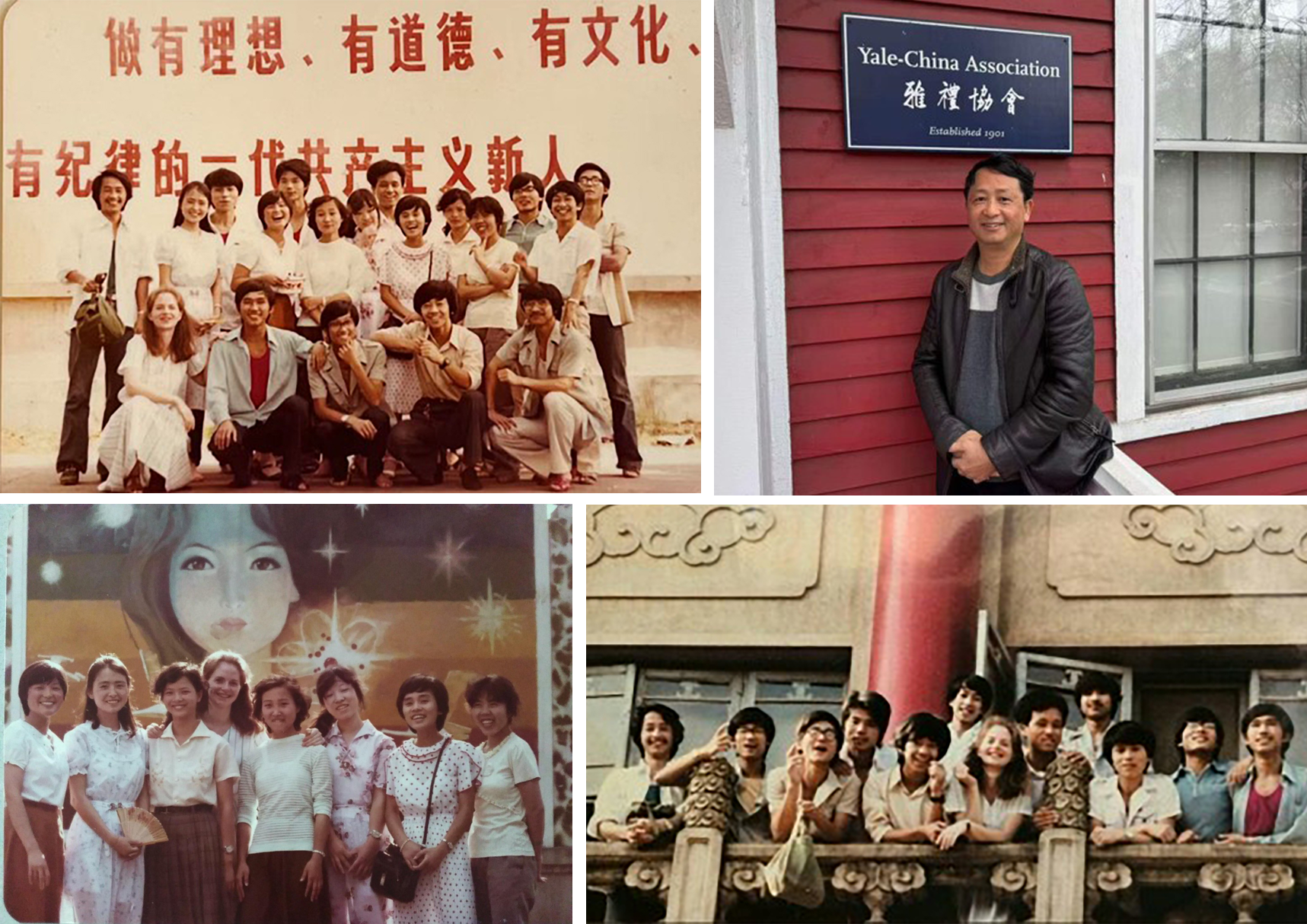
Me with young middle school English teachers who are studying at Huazhong Normal University in 1985
Me with my second-year English language students at Huazhong Normal University
Photos submitted by Larry Grippo, Yale-China Fellow (Huazhong Normal University 1983-’85)
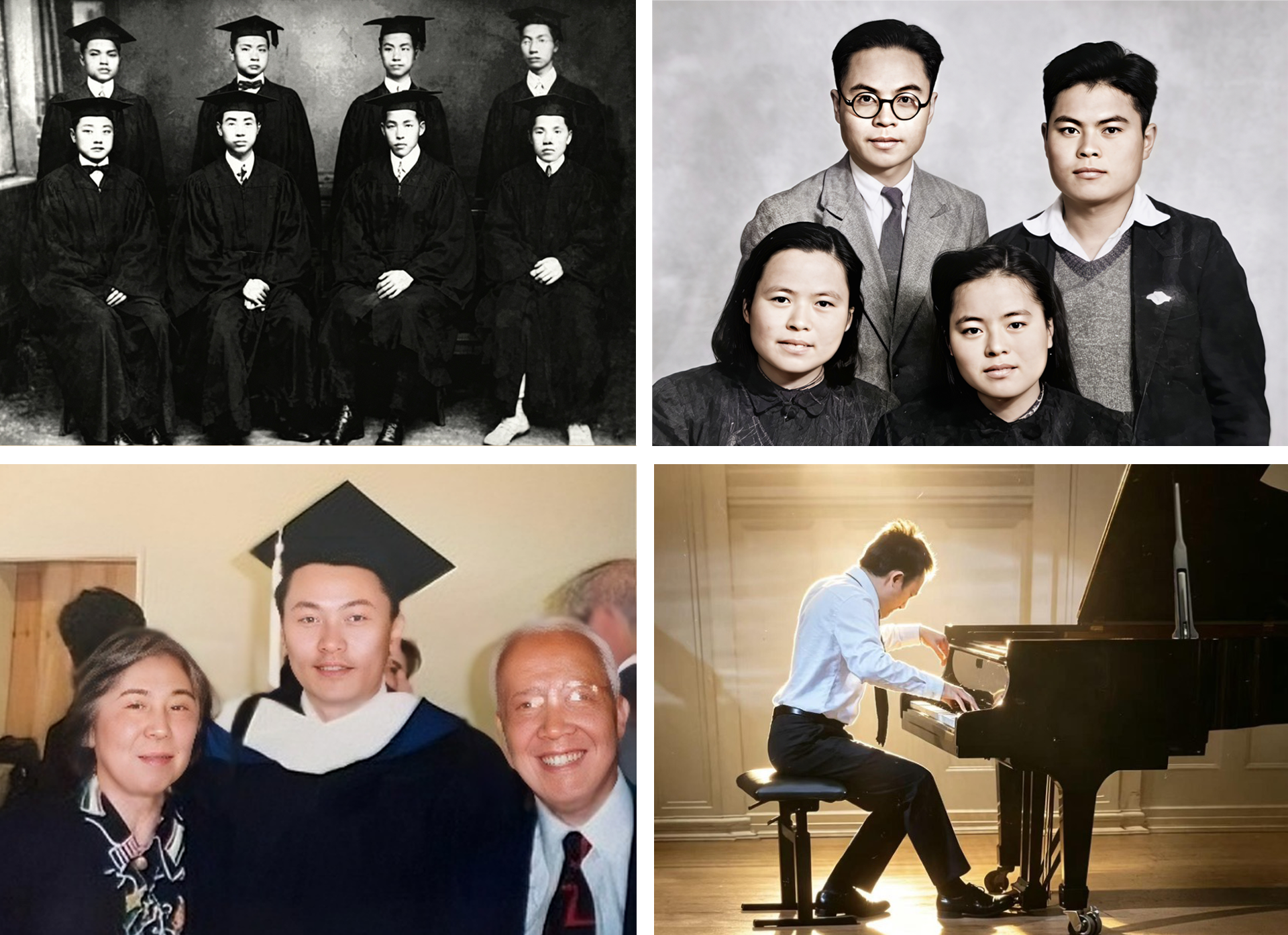
“My parents attended Yale-in-China in the late 1930s, during the turmoil of the Japanese invasion of China. That both families chose to enroll their offspring to a missionary-founded middle school and then to Hua Chung amid ongoing conflict and economic hardship speaks to the vision of both sets of my grandparents.”
My maternal grandparents from Wuhan
My paternal grandfather from ChunShan
“Soon after reporting for classes at Hua Chung, the administration, faculty and students trekked from Wuhan toward Yunnan to escape from the bombings. Classes and labs were held enroute. Irving Chang, one of the student leaders of Hua Chung, recalled the following experiences during the trek:
’Summer of 1938, Hua Chung University had relocated to Guilin, Guangxi, where the threat of war was ever-present. Yet the university pressed on. One day, mid-way through a physics class, the first air raid alarm sounded — but our instructor was determined to finish the chapter, so we stayed. For us, interrupted lessons were simply part of the rhythm of student life in wartime. Education would not wait, and neither would we.’
After earning their degrees in 1942, Mom and Dad became instructors of the university in Xizhou. When Japan surrendered in 1945, the college returned to its home campus. Just prior to the return trek, Bishop Gilman of Hua Chung married Ling Chin Yu and Xiong Ai Deh on May 5, 1945. Mom carried me in her tummy during the trek back to Wuchang, where I was born on August Moon Festival Day in 1946. ”
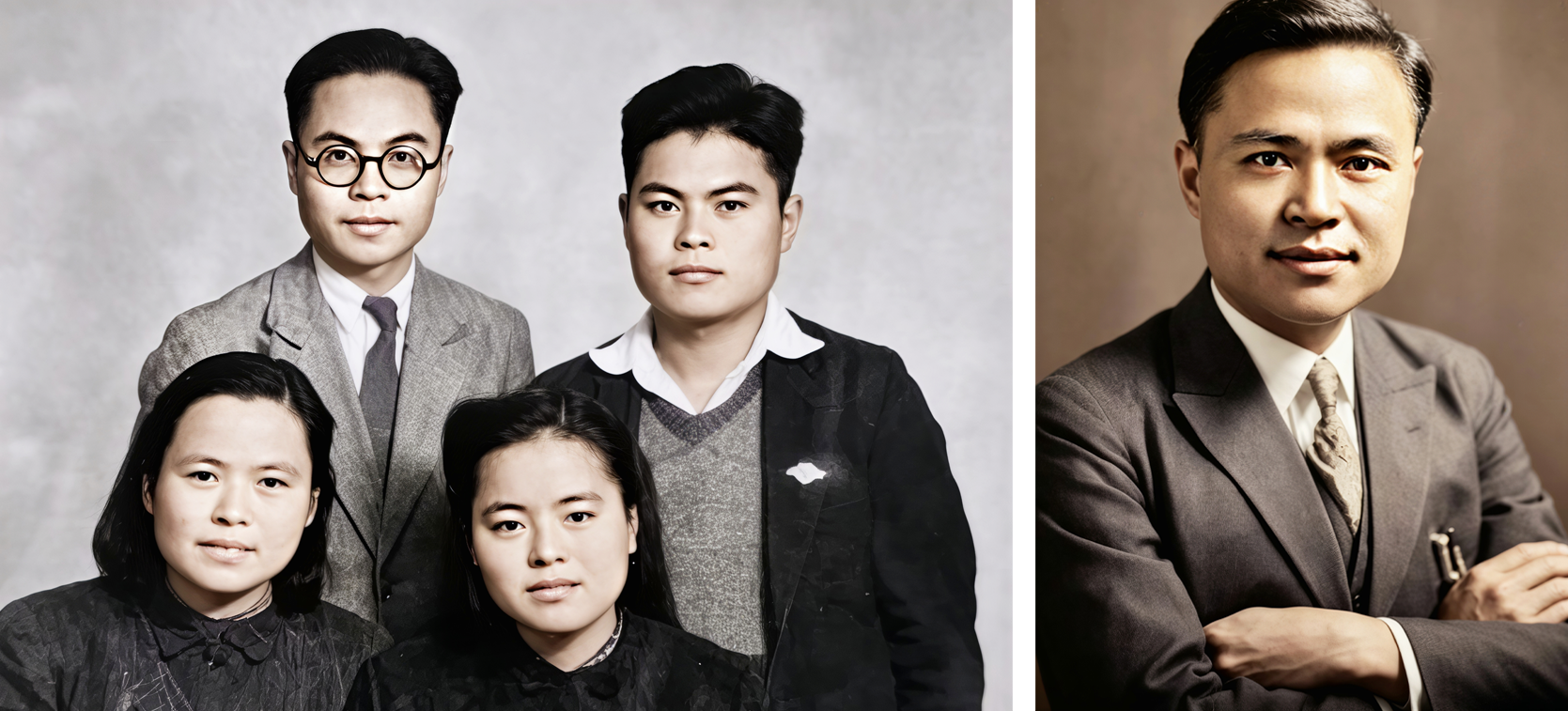
Hsiung Ai-Deh (my mom) as an undergraduate
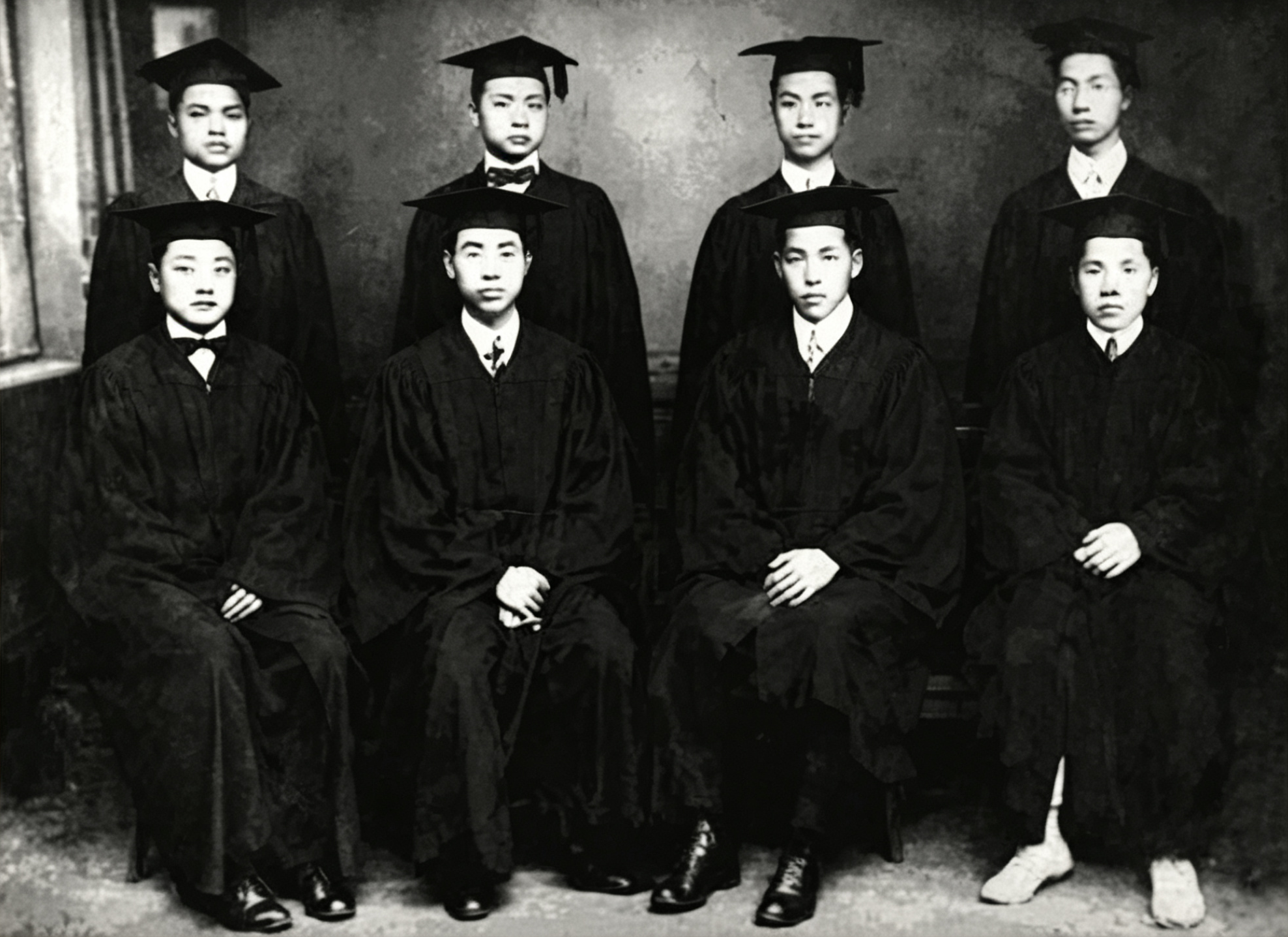
Mom and Dad’s Yale-in-China Class of 1942
Dad’s Yale-in-China graduation photo (1942)
My parents’ wedding officiated by Bishop Gilman of Hua Chung (May 1945)
“The years at Hua Chung had a profound and long-lasting positive influence on my parents. The classmates maintained life-long friendships—well into their elderly years—even after emigrating to the States and Europe. Hua Chung alumni of the New York-New Jersey area held annual get-togethers at each other’s homes or at outings in scenic New York State parks.”
Mom and Dad at Silver Bay (Lake George, New York) during a Hua Chung alumni picnic, 1978
“Those alum gatherings gave several generations a real sense of the camaraderie, sustained over time and place from the 1930s into the 21st century. Both my parents continued their passion for the sciences throughout their careers. Mom worked in the laboratory of Nobel Laureate Marshall Nirenburg at the National Institutes of Health (Bethesda, Maryland), and Dad received his Ph.D. in physics from the University of Missouri.
It is a privilege to share this on the occasion of Yale-China’s 125th anniversary. Thank you.”
“While I have many great memories from my time as a Yale-China Fellow in Xiuning, I am still especially moved when I think about our musical performances at the Haiyang Theater. Watching the students give their all on stage, surrounded by the joy of their family and friends, gave me a deep sense of pride in the mission of the fellowship and in the camaraderie among my co-fellows. Months of planning and rehearsal gave way to a few evenings each year when it felt as if the entire local community had come together, with parents filling the seats and isles to watch their children perform. I feel fortunate to have been a part of it. If I may say anything to future fellows, savor these moments and keep alive the tradition of the post-musical celebratory BBQ. And to my co-fellows, thank you for the memories.”
“‘Edmund (Ed) Henry Worthy, Jr. – educator, non-profit leader, and museum executive – died on March 27, 2021 from metastatic cancer.’
This is the beginning of the obituary written by Mr. Worthy himself.”
“In the fall of 1963, at New Asia College, (part of the Chinese University of Hong Kong), I met Mr. Edmund H. Worthy, who assisted me to overcome my language challenges as a Freshman in the English Department. My encounter with Mr. Worthy not only changed my dismal outlook on my future study in the Department, but also inspired me with the meanings of volunteerism in everyone’s life.
We called the young, energetic American Yale-China Education Fellows “Yale Bachelors.” Since 1901, Yale-in-China ( Yale-China) Association has sent Yale graduates to teach in China and, after 1949, Hong Kong. Literally so, when they started teaching the Freshman and Sophomore English and Literature classes, they were holding a Bachelor’s degree; and all of them were unmarried.
The two-year service of the Yale Education Fellows greatly impacted and enriched the lives of their students and communities; and at the same time, their unique experiences promoted their individual understanding of the Chinese language and culture. In our Yale-China story, both Mr. Worthy and I have changed our lives for the better, nurtured our decades of friendship, and participated in carrying out the mission of such a special organization.”
Chart House, Alexandria, Virginia, April 2011
“It was not easy for me to address Mr. Worthy as “Ed “, at his insistence, some forty odd years later, when we met again in early April, 2011, in Washington DC. We went for lunch at Chart House along the banks of Potomac River. It was a cold and windy day, luckily dry, though. Mr. Worthy married his Mandarin teacher in Hong Kong in 1965. It was the first time for my husband to meet both of them. In no time, everyone had warmed up and was immersed in conversation, in fluent Mandarin and English. I took the opportunity to express my gratitude towards my respectable teacher, who had gone beyond his duty to help me in the study.”
“Mr. Worthy worked with me on a one-to-one basis once a week after class hours in my Freshman year. He assigned to me extra reading materials and writing assignments to boost up my English proficiency. I still remember the one assignment to read and analyze an American short story, “The Man Who Saw Through Heaven”, by Wilbur Daniel Steel. Exceptionally for one time, Mr. Worthy allowed me to write any topic on the story. Most part of the story has become obscure to me now, but the phrase “Father Witch” has stuck with me for almost half a century. Mr. Worthy playfully challenged me, “Show me. How do you know that Reverend Diana, called by the natives “Father Witch”, has returned to his old faith? “ I pointed vigorously at the page of the book, “He is praying ‘Our father which art in Heaven’ in Lord’s Prayer!” Mr. Worthy beamed and said approvingly, “Well done! Recently your writing style has also improved.” I was elated! That was how I gradually built up my confidence in my work, and my aptitude for language and literature helped me through the years. Without Mr. Worthy’s support, encouragement and sacrifice, I would have struggled miserably and shifted my direction towards a different field of study as my other eleven fellow freshmen did.”
“‘From 1971 to 1974, Mr. Worthy was director of the Yale-China program and lecturer in the Chinese University’s history department. He laid the groundwork for the establishment of the university’s International Asian Studies Program for overseas exchange students.’ ( Excerpts from Mr. Worthy’s obituary). I last saw Mr. and Mrs. Worthy in Hong Kong in June, 1972 at my farewell party before my departure for Michigan. Then in less than two years, Mr. Worthy and family also returned to the US so that he could complete his PhD program in Chinese History at Princeton University.
There was a long period of time when each of us was so fully occupied on our respective life paths that we did not keep up with our correspondence regularly. I now particularly appreciated reading his obituary and an excerpt from the 50th Reunion Class Book of the Yale 1962 graduates. From his own reflections on his varied challenges in life, in his own words, I have learned all the unknown gaps in his productive years and his contributions to the communities. Among them, volunteerism was one of his most impressive achievements.”
Pirates of Penzance, New Asia College, 1963-1964
“When Facebook kept reminding us to celebrate Ed Worthy’s 81st birthday on June 12, my heart ached as much as it did upon my reading his last letter of grave news about his cancer in January, 2021. In his enclosed family photo, surrounded by his loved ones, Mr. Worthy, wane and frail, looked at me with his familiar luminous and unflinching eyes in all smiles. I couldn’t help reminiscing about one photo of him in Gilbert and Sullivan’s comic opera, Pirates of Penzance. Mr. Worthy was dressed in a policeman’s costume, with a fake mustache and a pillow stuffed at his belly. He and a pirate classmate flanked Juni and me in a hallway. We all looked so youthful and buoyant at that moment of our life!”
“My story reflects on how Yale China has been a force for increasing American knowledge about China. As a Yale senior, I had a problem. I had developed an interest in Chinese history, and was thinking about graduate school. But I had never been to China. Yale China was the obvious solution. Not only did I get to China, I got to live there for 2 years, interact with many friends, students and colleagues, but I got a solid language foundation. To make a story short, I came back, went to graduate school, got a teaching position and, over the next 33 years taught about 5000 undergraduates, and about 15 Ph.D. students. I couldn’t be more grateful to Yale China.”
“In my first academic year, 1961-62, at New Asia as a Yale Fellow (or Yali Bachelor being from another century), Professor Theodore Greene, from Yale’s Department of Philosophy and a visiting professor at New Asia College gave an outdoor address to the entire New Asia community stressing both the value and the universality of liberal arts education. He defined liberal arts education succinctly as an education dedicated to developing our capacity to think clearly, judge wisely and communicate effectively. Sitting in the courtyard of a newly founded refugee college that was in the process of becoming one of the three founding colleges of a new Chinese University for Hong Kong, his presentation seemed both profound and obvious.
For the next six decades plus, his message, and the context in which it came to me that morning, have remained central to my life’s work. It remains for me a profound idea; but I have learned over time, and with much pain, that it is a far from an obvious concept for far too many people. Because I have never been as succinct as someone like Professor Greene and because too much of what I have experienced in the ensuing decades compels me to be more explicit, I have added words to his definition. Clear thinking, by definition, must be critical, ethical and creative. Wise judgment involves action and consequence, or it is simply observation. What often is called liberal arts education is the core purpose of all education. Education is about developing habits of mind, not just about conveying bodies knowledge. Those habits of mind can grow, develop and be developed in any individual at any age in any context.
Experiencing education and teaching in a refugee college focused primarily on Chinese students in a British colonial outpost determined both that my future career would be in education and the basic principles that would guide my approach to that career. The purpose of education is universal: to develop the individual’s capacity to think clearly, critically, and creatively; to judge wisely and act humanely and ethically, and to communicate effectively. Recognize and utilize the incredible resilience and capacity of young people- a lesson that imprinted itself in my mind the first time I visited a New Asia science class and watched students sitting at their lab desks listening to the professor lecture to them in Mandarin Chinese, while they talked with their lab partners in Cantonese Chinese, and while both professor and students were referencing an English language text book. In many, many different ways, those students taught me that education at all levels is most effective when students are partners in, not just the object of the process and that their capacities should not be underestimated.
The absurdity and, unfortunately, the universality of the bigotry of race and class - Teaching in Hong Kong, a colonial, multi-nationality community, taught me the absurdity of the bigotry generated by class and race but also its power, capacity to do harm and universality. No culture had a monopoly on bigotry. No culture was immune. That such bigotry could and would appear anywhere shaped a lot of the responses I had to develop in dealing with it when it did appear. The importance of institutions in building healthy societies. Yale China taught me that if you really want to make a positive difference in the world, work to build institutions that reflect and carry forward your dreams and values. They can last. You cannot. ”
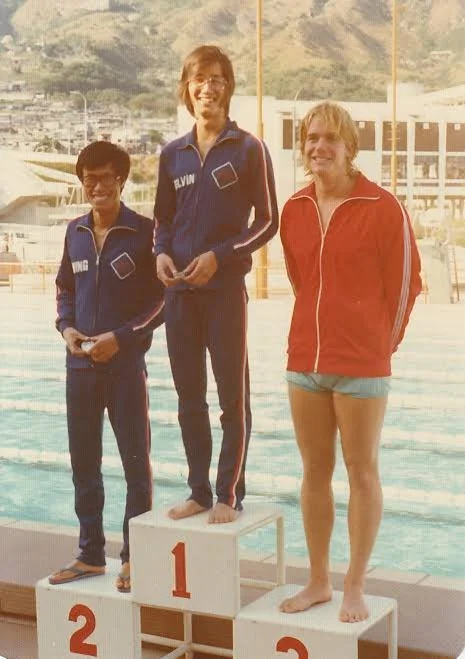
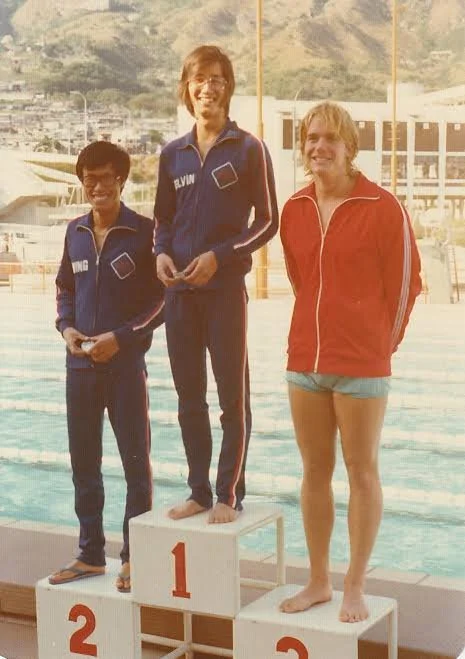
“I studied at The Chinese University of Hong Kong during the 1980-81 school year under the Yale-China Program. This postgraduate year redirected me to a 40+ year career involving China. Through the Yale-China Program I also was fortunate to have a local student as my roommate. Yui Mei Mei and I (see photo) have now been friends for more than 45 years. We had a reunion at the Chinese University, visiting our dorm Bethlehem Hall, in March 2025. Thank you Yale-China for cultivating deep and long lasting people to people ties.”
Photos submitted by Drew Nuland, Yale-China Fellow (Hunan Medical University 1986-’88), current Trustee
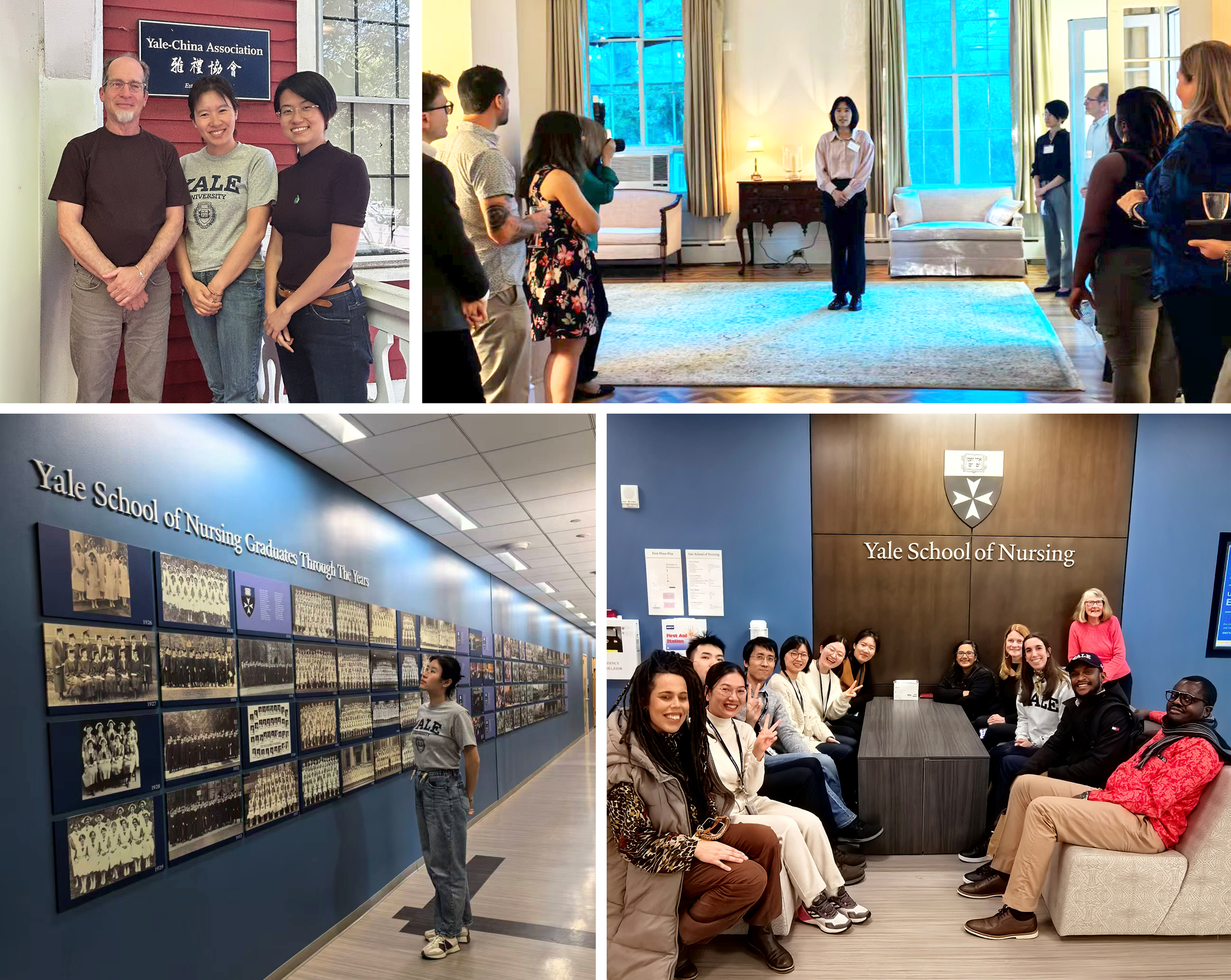
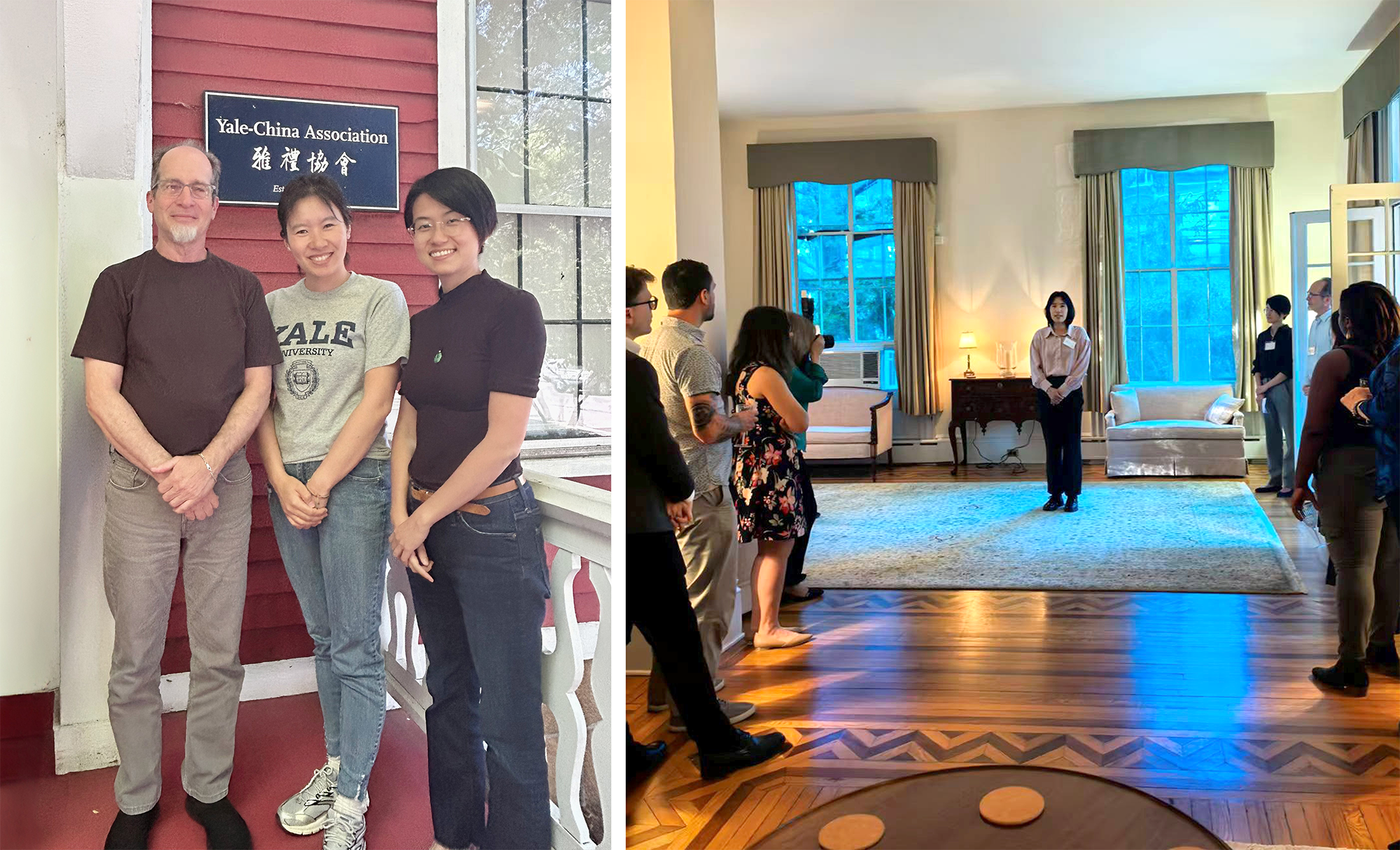
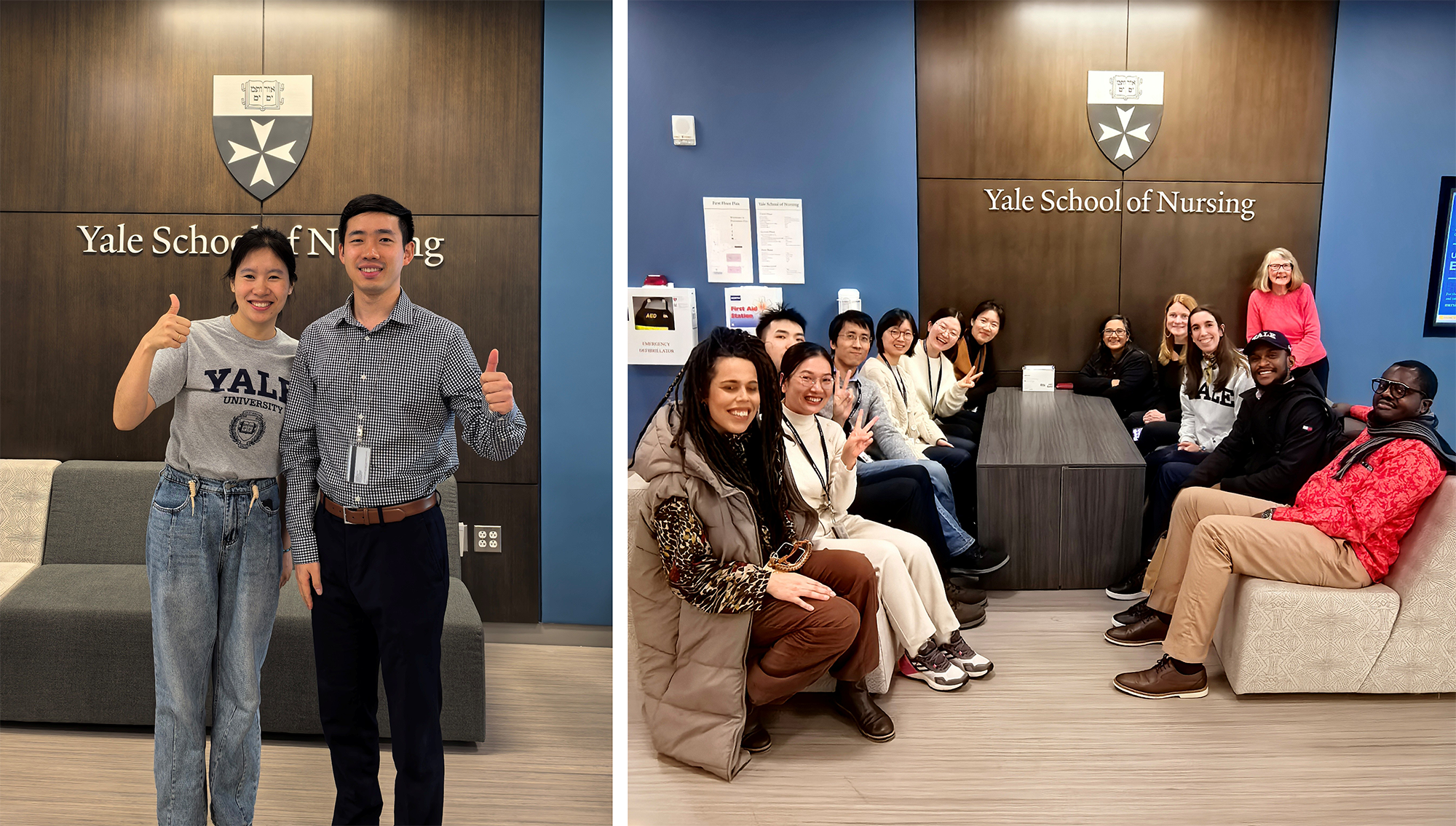
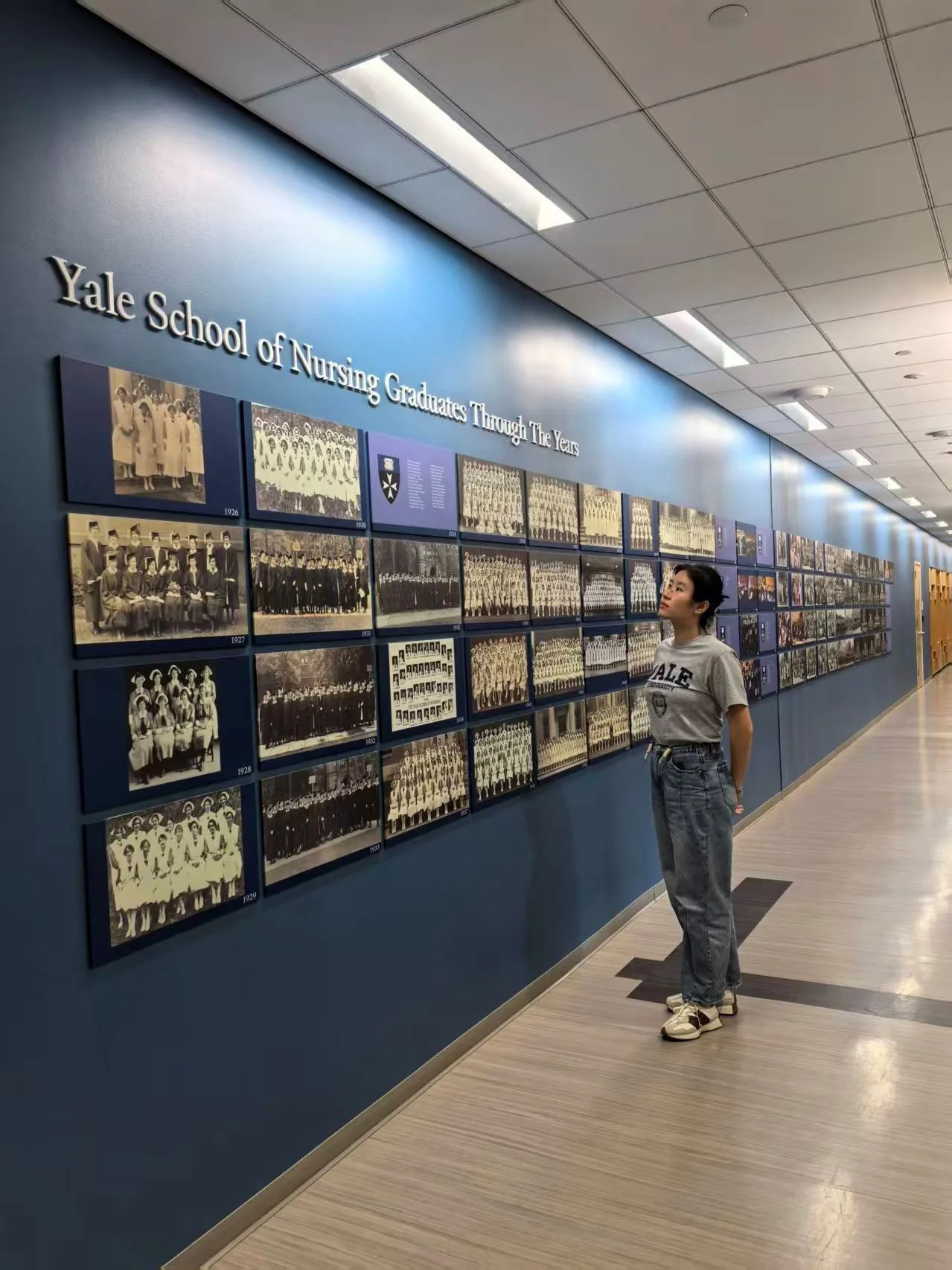
“From 2017 to 2018, I worked as a Chinese Teaching Fellow at Yale-China in New Haven. During my time there, I observed numerous project-based learning activities at local schools, including JCD, Foote School, and Choate Rosemary Hall. While visiting the Hopkins School campus, I was fortunate to attend its Project Fair, which deeply inspired me. With the generous help of Leslie Stone, I also obtained a Guide Book of the New Haven Science Fair, which became an invaluable reference for my future work.
After returning to China, I initiated and launched the Project Fair at Changya Middle School. We have held a series of project fairs with various themes. The first fair focused on Medicine, which brought middle school students together with medical students from the Third Xiangya Hospital for collaborative projects. Later themes included Global Geography following the 2022 Beijing Winter Olympics, as well as Students’ Career Planning, among others.
This meaningful experience at Yale-China broadened my horizons in education and inspired me to explore innovative teaching models. It laid a solid foundation for carrying out similar student-centered programs in my own school and has continued to shape my educational practice. ”
“I was in my first year of the fellowship when COVID-19 started - and remember being stranded in Taiwan when the first quarantine in Wuhan happened. It was so challenging to do English pedagogy from abroad, but we were able to work together to do a virtual speech competition for the Yale-China kids. It was very cool and fun for everyone! ”
“Thanks to Yale-China, I know that home can be found and built wherever people choose to meet one another with openness, curiosity, and heart. I will forever treasure that rare and beautiful feeling of being held completely at ease, laughing until 2 a.m., never running out of things to say, finding comfort in people who, only weeks earlier, were strangers.”
“This is a second grade class I worked with. We always start our class with a simple ‘ni hao’ song so the kids as well as the classroom teacher were all very familiar with it. Luckily the class was taught in the music room so there were some simple instruments for the kids to work with. With the help of the music teacher, we combined Chinese class with music and it worked out great!”
“Joining the basketball team was the best thing I did in New Haven! Everybody in the team is super nice and friendly. We praticed, fought in games and partied at each other’s places. On the last game of the team, almost all my friends in New Haven came to support me! Thank you, all my friends!”
“Kim invited us to decorate their Christmas tree. We met her whole family, including her daughter Caroline’s parents-in-law. I visited them in Singapore just last month! Thanks to Yale-China Association, now I have good friends all over the world! ”
“I’ve always loved calligraphy. Being a Chinese Teaching Fellow at Yale-China Association was an amazing experience for me! Seeing so many people outside China also find Chinese calligraphy beautiful, I’m inspired and encouraged! Thank you!”
“Thanks to Yale-China, the Judds, the Rogers and all the friends in New Haven which is always referred to as new heaven for me! Even during the Covid-19 pandemic all of them put me in the first place and sent me back to China earlier than planned for the sake of health. Even to the departure! What I have experienced in New Haven has turned me into a better person. All the thanks to Yale-China which made this wonder happen.”
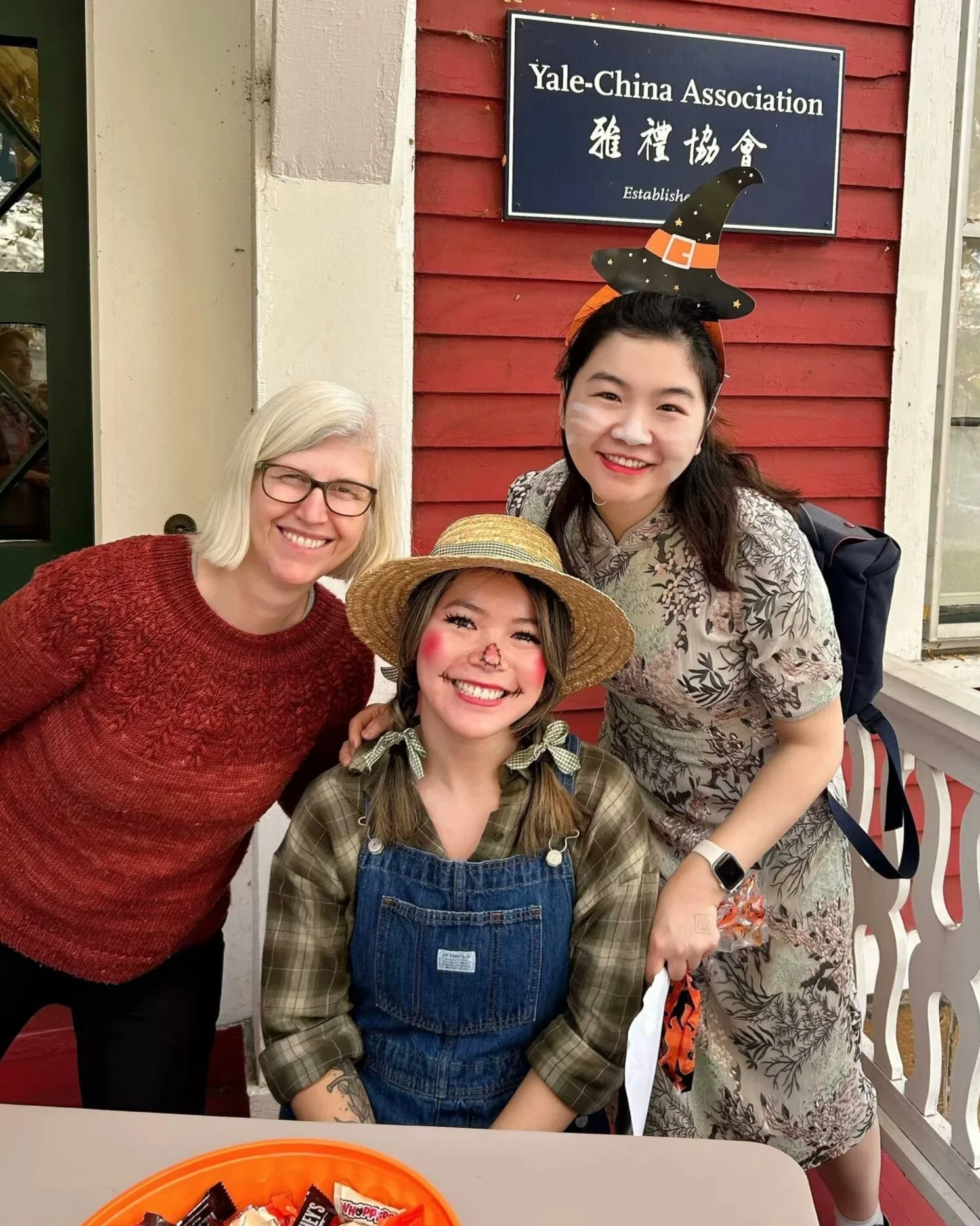
“This year marks the 10th year our family has been hosts/ambassadors for the Chinese teaching Fellows and the YUNA visitors in New Haven. We have so many favorite memories of holidays and conversations and time shared. Doing so many ‘firsts’ like Halloween, Thanksgiving, Christmas, Easter, sledding, skiing, skating, baking, hiking and so much more. Each of the Fellows has enriched our lives and we feel like we have 25 more ‘family members.’ We have travelled to China for a Fellow’s wedding and visits, have celebrated the birth of new babies and watched (from here) the full lives of each Fellow. Thanks to Yale China for entrusting our family all these years and for expanding our family ties around the globe. All the best on this amazing milestone anniversary — here’s to another 125!”
“This is my American family. The woman with a bright smile and glasses is Natalie, my American Diana. In this photo, she’s smiling softly, and if you look closely, you can see it: the quiet warmth that made her feel like home. The night I stayed over for Galentine’s Day, she taught me that ‘marrying a friend is the happiest thing in life.’ Here, sitting beside her, you can see why she’d know that. Next to her is Steve, her husband, a knight in the middle ages.’. He doesn’t say much in photos either, just sits steady and present. But behind the camera that day? He’d been the one scouting best spot for us during the interesting parade, making sure we had the best experience. That’s Steve, always doing more than he says .And then there is their son and we three Chinese teaching fellows sandwiched between them, wrapped in a Christmas sweater and something bigger: belonging. This photo was taken during our first Christmas together. You can’t see the other seasons in this frame, the Halloween when we went trick-or-treating, the spring morning we searched for Easter eggs like spoiled kids, the summer afternoon he watched over my kayak, but they’re all here, in how naturally we lean into each other. Steve cooked my favorite salmon that night. Natalie made sure everyone’s glass was full. We exchanged thoughtful gifts, the kind that make you feel seen. And somewhere between the dinner table and this photo, I stopped being a guest and started being family. This picture shows the year they held space for me in a foreign country, the way they turned ‘staying’ into belonging, and how two people can make you feel so loved, so seen, so at home, just by being exactly who they are.”
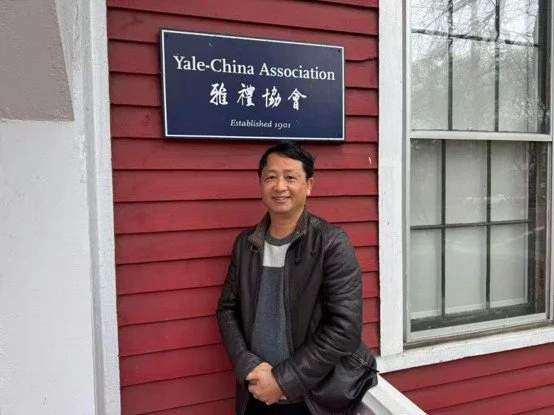
“This is Drake and He Rong. The last stop on my journey back from San Francisco to the East Coast was their home, and what a remarkable finale it was. Drake, a former board member of the Yale-China Association, opened his home to me, but it was the stories within those walls that truly left their mark. Walk into their study, and you’ll find yourself standing before original works by Huang Yongyua tucked quietly in a corner, as if masterpieces belong in every household here. And in a way, they do. Their home is filled with art collected across a lifetime, each piece whispering chapters of an extraordinary journey. You see, Drake and He Rong aren’t just any retirees. They are pioneers, part of the first wave of Americans who went to China after President Nixon’s historic visit. Drake lived 25 years in Hong Kong, 8 in Beijing, 3 in Taiwan. They witnessed China’s transformation up close, believed in its future before many did, and built their lives around that conviction Now, in retirement, they chose San Francisco because it’s closer to China. Even now, He Rong serves on the International Arbitration Commission, working part-time with the same dedication that defined her career. And Drake? Every day, he walks 5 kilometers along the Pacific coastline, then comes home to cook healthy American-style dinners. They are, without question, the coolest generation. In this photo, you see them in the home they built, surrounded by art, by history, by each other. But if you look closer, you’ll see something more: the courage it took to cross oceans when it wasn’t common, the confidence to bet on a country’s future, and the grace to live fully in every season of life. This isn’t just a picture of a couple in their San Francisco home. It’s a picture of a life beautifully lived across continents, through history, and always, always moving forward. ”
“This is me in North Haven - a nearby town where I went shopping one afternoon. I had just stepped out of the car when I heard little feet running across the parking lot. One of my former students from Edgewood Magnet School had spotted me from his mom’s car, jumped out before they’d even parked, and ran all the way to the store just to say hello. He had transferred schools recently, so I didn’t teach him anymore. But he still ran. Tina once joked that I’ve achieved a teacher’s honor of having students everywhere like spring blossoms. And yes, it means I have to watch my manners wherever I go in Connecticut. But this? A kid spotting me in a different town, sprinting across asphalt just to greet me? This is why we teach.”
“Going to the US with the help of Yale-China has been a dream coming true for me. So many good memories are shared and so many great friends made. Thanks!”
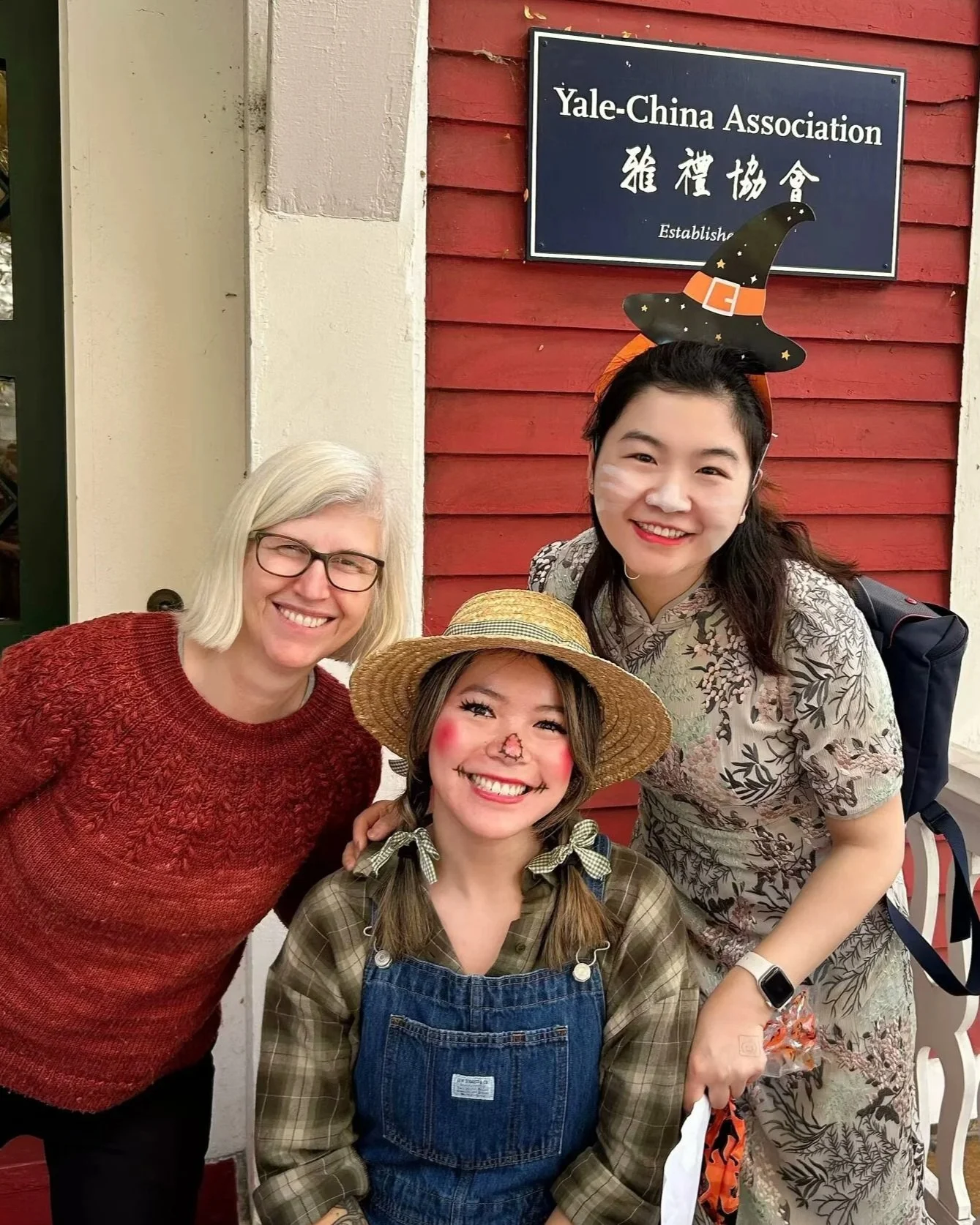
“When Kim and Mike Rogers began hosting Yale-China Teaching Fellows in 2012, they expected to offer little more than a spare room and some home-cooked meals. Instead, they built lifelong bonds with dozens of Fellows, weaving them into family holidays, traditions, and trips to China. More than a decade later, the connections have grown so deep that one Fellow’s daughter—born on Thanksgiving Day—calls Kim her ‘American grandmother.’”